Trump Under Fire From His Own Party As Republicans Join Democrats To Demand Reversal Of Putin Diesel Deal
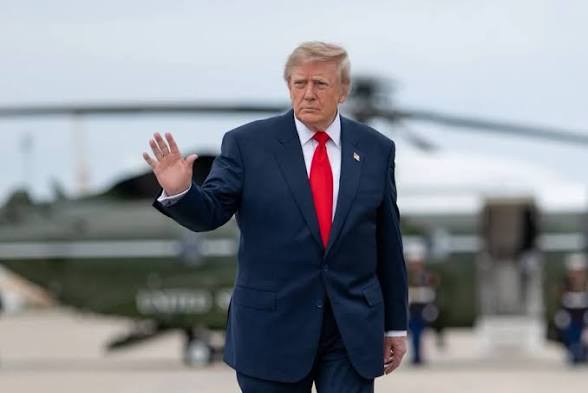
WASHINGTON, D.C. — Six United States senators, comprising four Republicans and two Democrats, have called on President Donald Trump’s administration to immediately reverse its reported plan to purchase millions of tonnes of diesel from Russia, warning that the arrangement could provide Russian President Vladimir Putin with additional revenue while his country continues its war against Ukraine.
The bipartisan lawmakers made their position known in a statement released on Sunday, accusing the Trump administration of failing to consult Congress or provide the legally required explanation for its decision to pursue the proposed fuel arrangement with Moscow.
The development comes amid growing controversy over Trump’s announcement that Russia would supply substantial quantities of diesel to the American and global markets as his administration seeks to address high fuel prices.
The senators argued that the United States should not pursue an arrangement that could financially benefit Moscow while Russia continues military operations against Ukraine.
“The United States should not provide Putin with a financial lifeline while Russia continues to kill Ukrainian civilians. The Administration must immediately reverse course,” the lawmakers said in their joint statement.
Four Republicans, Two Democrats Challenge Trump
The statement was signed by Republican Senators Susan Collins of Maine, Lisa Murkowski of Alaska, Thom Tillis of North Carolina and John Curtis of Utah.
Democratic Senators Jeanne Shaheen of New Hampshire and Richard Blumenthal of Connecticut also endorsed the call for the administration to abandon the proposed arrangement.
The bipartisan nature of the intervention highlights the controversy surrounding Trump's reported decision to engage Russia over diesel supplies despite Washington's broader sanctions policy against Moscow over the war in Ukraine.
The senators also questioned the administration's handling of the decision, arguing that Congress was neither adequately consulted nor provided with the explanation required by law.
Their demand places additional pressure on the administration to clarify the legal basis, implementation details and broader policy implications of the proposed agreement.
Trump Announces Millions Of Tonnes Of Russian Diesel
Trump announced the arrangement on social media on Friday following a telephone conversation with Putin.
According to the US president's announcement, Russia would immediately supply more than 300,000 tonnes of diesel to the American and global markets.
He further stated that another 500,000 tonnes would follow in November, with an additional one million tonnes arriving "immediately thereafter."
Trump also announced that Russia would deliver a further three million tonnes "within a short period of time."
The proposed supplies come as the administration faces domestic pressure over elevated fuel prices, an issue with economic implications for American households, businesses and transportation operators.
However, questions remain about the agreement's implementation, the precise arrangements governing the supplies and how the proposed purchases would interact with existing restrictions on Russian energy-related transactions.
The senators' intervention has intensified scrutiny of whether the administration can pursue its fuel-price objectives without undermining the economic pressure Washington has sought to maintain against Moscow.
Russia-Ukraine War At The Centre Of The Controversy
The proposed diesel arrangement has also raised concerns about its potential implications for Ukraine as diplomatic efforts to end the war continue.
Critics of the deal argue that purchases of Russian energy products could generate revenue for Moscow, potentially complicating efforts to restrict the financial resources available to the Russian government during the conflict.
The six senators' statement reflects that concern, with the lawmakers insisting that Washington should not provide Putin with what they described as a financial lifeline while Ukrainian civilians continue to face the consequences of the war.
Their position also raises questions about the consistency of US policy towards Russia, particularly if Washington simultaneously seeks to restrict Russian energy revenues and negotiate arrangements that could generate additional income for Moscow.
The practical implications, however, will depend on the final terms of the proposed agreement, the transactions involved and the applicable sanctions requirements.
Tarakirivoice Had Earlier Reported Zelenskyy's Criticism
The latest development follows an earlier report by Tarakirivoice on Ukrainian President Volodymyr Zelenskyy's criticism of Trump's reported diesel arrangement with Putin.
In that report, Tarakirivoice highlighted Zelenskyy's concern that Ukraine was being treated unfairly by a country expected to support its efforts during the war.
According to remarks attributed to Zelenskyy, the Ukrainian team was being used as a "smokescreen," a comment reflecting his dissatisfaction with the circumstances surrounding the announcement.
The earlier report also examined questions about the relationship between the proposed fuel arrangement and Washington's sanctions policy, as well as the timing of the announcement amid diplomatic engagements aimed at ending the conflict.
The emergence of opposition from six US senators has now added another dimension to the controversy, demonstrating that concerns about the arrangement are not confined to Ukrainian officials.
With Republicans and Democrats among those demanding a reversal, the administration faces questions about congressional oversight, sanctions enforcement and the extent to which domestic energy priorities should influence Washington's dealings with Moscow.
Questions Trump Administration Must Answer
The controversy has placed several issues at the centre of the debate.
First, what legal and policy justification supports the proposed arrangement, and has the administration fulfilled its obligations to Congress?
Second, how would the planned diesel purchases comply with applicable US sanctions and other restrictions relating to Russia?
Third, would the proposed supplies significantly affect fuel prices in the United States, and how would any economic benefits be weighed against the potential revenue flowing to Russia?
Finally, how does the administration intend to reconcile its engagement with Moscow over energy supplies with its stated approach to the Russia-Ukraine conflict?
The six senators have made their immediate demand clear: the administration should reverse course.
Whether Trump will reconsider the arrangement remains uncertain.
For now, the dispute has placed the US president's Russian diesel proposal under renewed scrutiny, with congressional oversight, fuel affordability, sanctions policy and continued support for Ukraine emerging as central issues in the unfolding controversy.







0 Comment(s)